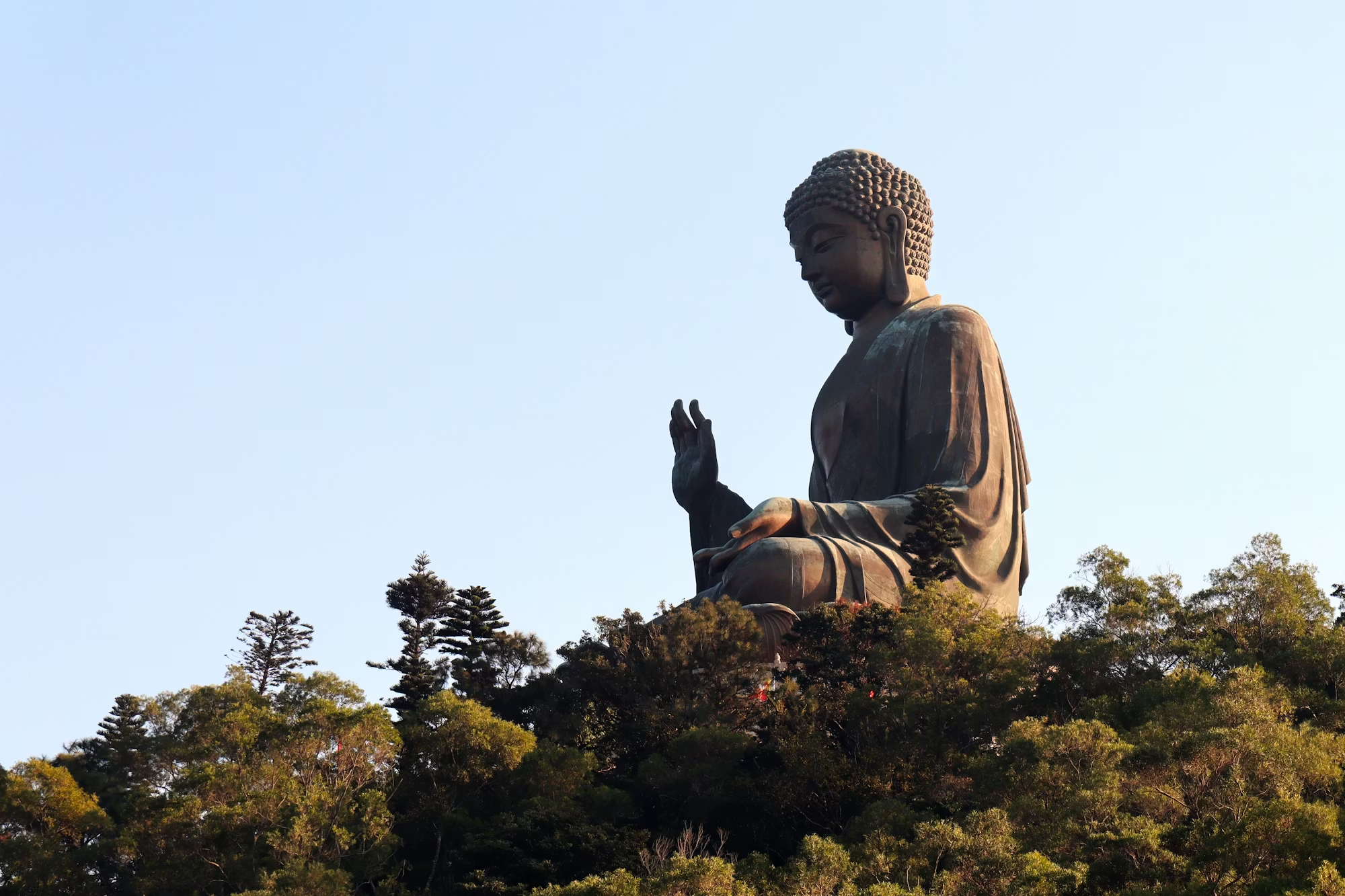
In today’s fast-paced world, the pursuit of balance and tranquility can often feel overwhelming. Amidst the noise and distractions, meditation stands out as a beacon of hope, offering individuals a pathway to inner peace and personal transformation. This article explores several meditation techniques—Mindfulness Meditation, Transcendental Meditation, Loving-Kindness Meditation, Body Scan Meditation, Zen Meditation, Guided Visualization, Breath Awareness, Chakra Meditation, and Mantra Meditation—each contributing uniquely to enhancing mental clarity and emotional well-being.
Mindfulness Meditation: Embracing the Present
Mindfulness Meditation invites practitioners to fully immerse themselves in the present moment, observing thoughts, feelings, and sensations without judgment. By focusing on the breath or simply noticing the surroundings, individuals learn to engage with their experiences more authentically. This practice fosters a non-reactive awareness, encouraging practitioners to let go of worries about the past and anxieties about the future.
Integrating mindfulness into daily life transforms routine activities into moments of meditation. Whether it’s enjoying a meal or taking a walk, these moments become opportunities to practice presence. Research has shown that regular mindfulness practice improves emotional regulation, enhances focus, and boosts overall life satisfaction. As individuals cultivate this awareness, they often find that their creativity flourishes, leading to innovative solutions and a greater sense of purpose.
Transcendental Meditation: A Journey to Inner Calm
Transcendental Meditation (TM) is a simple yet profound practice that involves the silent repetition of a mantra, guiding individuals into a state of deep relaxation and heightened awareness. Practiced for 20 minutes twice a day, TM allows the mind to settle while the body enjoys deep rest. This effortless approach makes it accessible for everyone, regardless of meditation experience.
Many practitioners report that even a short session of TM provides significant benefits, such as reduced stress and increased creativity. The technique is especially useful for busy individuals, as it can easily fit into daily routines. With consistent practice, TM promotes emotional resilience, enabling individuals to navigate life’s challenges with grace and confidence.
Loving-Kindness Meditation: Cultivating Compassion
Loving-Kindness Meditation, also known as Metta, focuses on generating feelings of love and compassion for oneself and others. Practitioners silently repeat phrases of goodwill, gradually extending these intentions to loved ones, acquaintances, and even those with whom they have difficulties. This practice nurtures emotional connections and fosters a compassionate outlook on life.
Engaging in loving-kindness meditation can lead to heightened positive emotions and greater empathy. By regularly sending thoughts of love and kindness, individuals often experience deeper connections in their relationships, contributing to a more fulfilling emotional life. Integrating this practice into daily routines can be simple—whether reflecting on positive intentions during morning rituals or taking a moment to send love to others throughout the day.
Body Scan Meditation: Reconnecting with the Physical Self
Body Scan Meditation guides practitioners through a systematic exploration of bodily sensations, promoting relaxation and awareness. This technique helps individuals recognize areas of tension and consciously release them, fostering a deeper connection to their physical selves. Practicing body scan meditation can be especially beneficial for stress relief, as it encourages mindfulness of physical sensations and emotional states.
Incorporating body scan meditation into daily life can enhance overall well-being. It can be practiced before sleep or during breaks, allowing individuals to unwind and recharge. As practitioners become more attuned to their bodies, they often gain insights into how physical sensations relate to their emotional health, leading to improved self-acceptance and a holistic approach to well-being.
Zen Meditation: The Art of Stillness
Zen Meditation, or Zazen, emphasizes seated posture and breath awareness. Practitioners focus on their breath while observing thoughts without attachment. This practice cultivates a profound sense of stillness, allowing for clarity and insight. Even a few minutes of Zen meditation can create a sanctuary of peace amidst life’s demands.
As individuals engage in this practice, they may find their minds becoming less chaotic, leading to enhanced focus and emotional stability. The discipline developed through Zen meditation empowers individuals to tackle challenges calmly and thoughtfully. Incorporating Zen meditation into daily routines fosters clarity, enabling individuals to approach life’s complexities with grace.
Guided Visualization: Unlocking Potential Through Imagination
Guided Visualization involves following verbal instructions to explore calming and imaginative scenarios. This technique encourages creativity and allows individuals to visualize peaceful landscapes or desired outcomes. Integrating guided visualization into daily life can set a positive tone for aspirations and motivate individuals to reach their goals.
By envisioning success in various areas of life, individuals can unlock their potential and cultivate a mindset that supports personal growth. Setting aside time for guided visualization can serve as a refreshing break from daily stressors, enabling individuals to reconnect with their dreams. Whether through recorded sessions or live guidance, this practice can significantly impact emotional well-being and motivation.
Breath Awareness Meditation: The Power of the Breath
Breath Awareness Meditation centers on the natural rhythm of breathing. Practitioners observe their breath, using it as an anchor for awareness. This practice promotes calmness and grounding, essential for managing daily challenges. Incorporating breath awareness into daily routines can be as simple as taking deep breaths during stressful moments or practicing mindful breathing during breaks.
Training the mind to return to the breath fosters a greater sense of presence and clarity, enhancing individuals’ ability to engage thoughtfully with the world. Regular practice of breath awareness leads to improved emotional regulation and resilience, empowering individuals to approach challenges with composure and confidence.
Chakra Meditation: Balancing Energy and Emotions
Chakra Meditation focuses on the seven energy centers in the body, each associated with specific attributes and emotions. Practitioners visualize each chakra, engaging with its energy to promote balance and harmony. Integrating chakra meditation into daily life can provide valuable insights into one’s emotional landscape, addressing imbalances that may hinder personal growth.
By fostering a sense of well-being and emotional clarity, chakra meditation encourages holistic personal development. Practicing this technique during quiet moments can deepen understanding of emotional needs, strengths, and areas for growth.
Mantra Meditation: The Rhythm of Sound
Mantra Meditation involves repeating a specific word, phrase, or sound to maintain focus and promote relaxation. This practice creates a soothing rhythm that helps quiet the mind and fosters inner peace. Incorporating mantra meditation into daily routines enhances focus and serves as a grounding tool.
Regular practice can lead to improved concentration and creativity, allowing individuals to face challenges with renewed energy and insight. Mantra meditation not only provides a calming experience but also reinforces positive affirmations, contributing to overall emotional health.
Conclusion: The Journey Toward Balance and Harmony
Meditation offers a diverse range of practices that can enhance personal development and emotional well-being. By incorporating techniques such as mindfulness, loving-kindness, and visualization into daily life, individuals can cultivate a mindset that embraces clarity, compassion, and resilience. As we navigate the complexities of modern existence, meditation serves as a vital ally in our pursuit of harmony and fulfillment. Each practice invites exploration of different facets of consciousness, fostering a deeper understanding of ourselves and our interactions with the world. By embracing meditation as a daily practice, we embark on a transformative journey toward a more balanced and fulfilling life.